
Fuel Cleaning & Generator Failure Prevention
Clean fuel isn't optional when your equipment is critical. Stored diesel degrades over time - water, sediment, and microbial growth build up in tanks, damage engines, and leave backup systems unreliable when you need them most. Our on-site diesel fuel cleaning removes contaminants, restores fuel quality, and helps you stay compliant, without draining or replacing your fuel.

Preventing Generator Failure Before It Happens
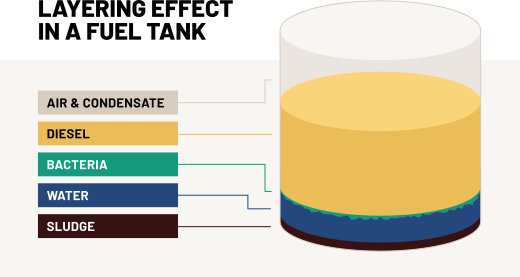
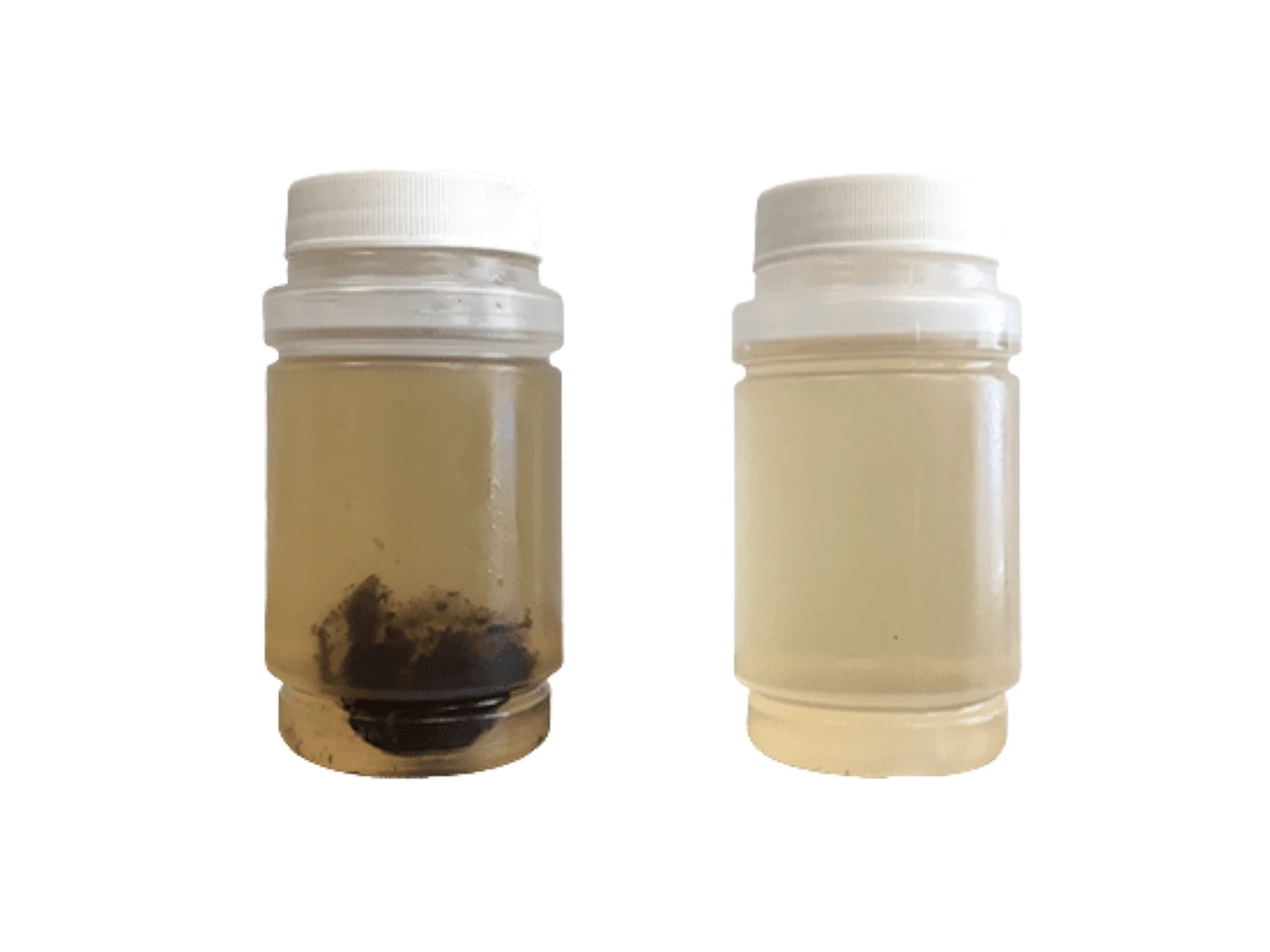
Stored diesel is not a “set it and forget it” asset. Over time, condensation introduces water into the tank, sediment settles at the bottom, and microbial growth can begin to develop at the fuel-water interface — even in sealed systems. As fuel sits and ages, oxidation and natural degradation also reduce its stability and performance, gradually increasing the risk to your generator system.
Key Risks of Contaminated Fuel
Our approach focuses on preventing these failures before they occur. By regularly inspecting, testing, and maintaining the fuel in your system, we help identify risks early and remove the contaminants that threaten generator reliability. This proactive maintenance protects the performance of your backup power system, reduces the likelihood of unexpected shutdowns, and helps ensure your generator is ready to operate when your facility needs it most.
- Generator Failure & Emergency Downtime
- Safety, Compliance & Liability Risks
- Clogged Fuel Filters & System Blockages
- Injector, Fuel Pump & Component Damage
- Reduced Equipment Lifespan
- Increased Maintenance & Operating Costs
Fuel Cleaning vs Fuel Replacement

Fuel Cleaning (Fuel Polishing)
Removes water, sludge, and contaminants while keeping your fuel in place. Restores fuel quality without the cost, waste, or disruption of draining the tank. Most jobs are completed on-site in a single visit.

Fuel Replacement
Draining contaminated fuel and bringing in new diesel. Higher cost, more downtime, disposal coordination required—and no guarantee the replacement fuel stays clean without ongoing maintenance.
Why Clean Fuel Matters
Diesel fuel degrades in storage. Water enters through condensation, sediment settles, and biological growth develops where fuel and water meet. These changes are normal – but if left unchecked, they affect equipment performance, compliance, and reliability.
Prevent Equipment Damage & Unplanned Downtime
Diesel engines and generators need clean fuel to run properly. When fuel contains water, sludge, or particulates, filters plug prematurely and injectors and pumps wear faster. In some cases, equipment won’t start when you need it.
This risk is highest where fuel sits for extended periods – emergency generators, agricultural equipment, seasonal operations, and fleet backup systems. Regular fuel cleaning helps catch contamination before it becomes a failure.
Stay Fire Code Compliant
Stored diesel is subject to fire code and safety requirements, especially for emergency power systems and bulk storage.
Under the National Fire Code of Canada (Article 6.5.1.5), stored liquid fuels must be maintained in a condition suitable for safe operation. Where annual fuel testing is required, contaminated fuel may need corrective action – either replacement or filtration to remove water, sediment, microbial growth, and fuel degradation by-products.
Fuel cleaning provides a practical way to address contamination, retain your existing fuel, and maintain records that support inspections and audits.
- Unsure if You’re Fire Code Compliant? Contact us and we’ll walk you through it.
Protect Operating Performance & Safety Systems
Contaminated diesel doesn’t burn as efficiently as clean fuel. Poor combustion leads to rough operation, increased exhaust, and additional strain on engine components.
For systems connected to emergency power, fuel condition also affects whether generators start and stay online when needed. If fuel flow is restricted or filters plug, generators may not operate as intended – affecting elevators, automatic doors, fire protection systems, communications equipment, and other life-safety systems in occupied buildings.
Managing Risk in Bulk & Long-Term Storage
Bulk diesel storage is common across agriculture, construction, industrial sites, and commercial facilities. These tanks often hold fuel for months at a time, especially where it’s reserved for backup or seasonal use.
Even small amounts of water or sediment can affect fuel quality throughout the tank. Regular testing and cleaning help control contamination and reduce the likelihood of larger system issues.
A Practical Part of Ongoing Maintenance
Fuel cleaning works best as part of routine maintenance, not as a reaction to failure. Testing fuel condition and addressing contamination early helps avoid emergency service calls, unexpected repairs, and operational disruption.
If you’re unsure about the condition of your stored diesel, we can test it and walk through the results with you before recommending any next steps.
A Proven, On-Site Fuel Cleaning Process
You’re managing facilities, fleets, and systems that already demand your attention. Fuel maintenance shouldn’t add to that burden.
We’ve been cleaning diesel fuel in Southern Alberta for years. Over that time, we’ve refined the process, invested in purpose-built equipment, and cut out inefficiencies that slow others down. The result: faster, cleaner service – delivered on your site, with minimal disruption.

Fuel Top-Ups & Refilling Available
As part of our fuel cleaning service, we can also refill or top up your diesel tanks once cleaning is complete. This helps ensure your system is returned to service with clean, usable fuel and reduces the need to coordinate a separate delivery.
For facilities, fleets, and emergency systems, combining fuel cleaning and refuelling in a single visit minimizes downtime and simplifies scheduling.
Who Diesel Fuel Cleaning Is For
We regularly support:
- Facility managers and building operators
- Healthcare, seniors housing, and institutional facilities
- Commercial and industrial properties
- Data centres and critical infrastructure
- Municipal buildings and utilities
- Agricultural operations with bulk diesel storage and powered equipment
- Construction fleets and site generators
- Warehouses with bulk fuel storage
- Property managers with emergency power systems
If diesel sits in a tank – especially for backup or emergency use – it needs to be tested and maintained.
Kathy S, Silvera for Seniors“I have been in the role of Preventative Maintenance with Silvera for Seniors for 3 years, and working with New West Equipment has been a pleasure and ease to my role. They are efficient with sending out annual schedules for inspection of fuel tanks, and always available immediately if I call to have a tank serviced and refueled due to emergency generator usage. It’s my pleasure to continue working with New West now and in the future.”

Schedule Diesel Fuel Cleaning with Confidence
If you’re responsible for emergency power, bulk fuel storage, or critical equipment, you can’t afford to assume your fuel is clean. Let’s review your system, test your fuel, and make sure it’s ready – before it’s needed.